The Youth Crew is for students in Grades 9 to 12 who want to earn volunteer hours or support their local library.
Youth Crew meets every Tuesday from 4:00 - 5:00 p.m. at the Bracebridge Library. No registration is required.
The Youth Crew is for students in Grades 9 to 12 who want to earn volunteer hours or support their local library.
Youth Crew meets every Tuesday from 4:00 - 5:00 p.m. at the Bracebridge Library. No registration is required.
The Visiting Library Service is a free service for some patrons who may be unable to visit the Bracebridge Library in person.
Patrons may request items such as books, audiobooks, DVDs, and magazines, among other materials. They will be delivered to their home at a pre-arranged time.
Staff who help with deliveries are required to undergo a security screening.
Tool Category?
Tool Category?
The National Day for Truth and Reconciliation is on Tuesday, September 30. Staff at the Bracebridge Library have compiled 10 books in honour of the day, which has also been called Orange Shirt Day.
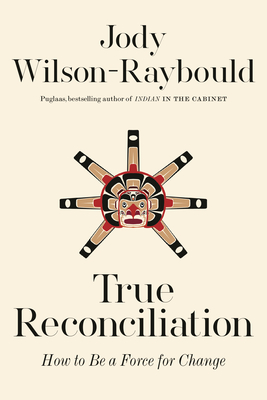
Jody Wilson-Raybould
From the #1 bestselling author of Indian in the Cabinet, a groundbreaking and accessible roadmap to advancing true reconciliation across Canada.
There is one question Canadians have asked Jody Wilson-Raybould more than any other: What can I do to help advance reconciliation? This has been true from her time as a leader of British Columbia’s First Nations, as a Member of Parliament, as Minister of Justice and Attorney General, within the business communities she interacts with, and when having conversations with people around their kitchen tables. Whether speaking as individuals, communities, organizations, or governments, people want to take concrete and tangible action that will make real change.
They just need to know how to get started or to take the next step.
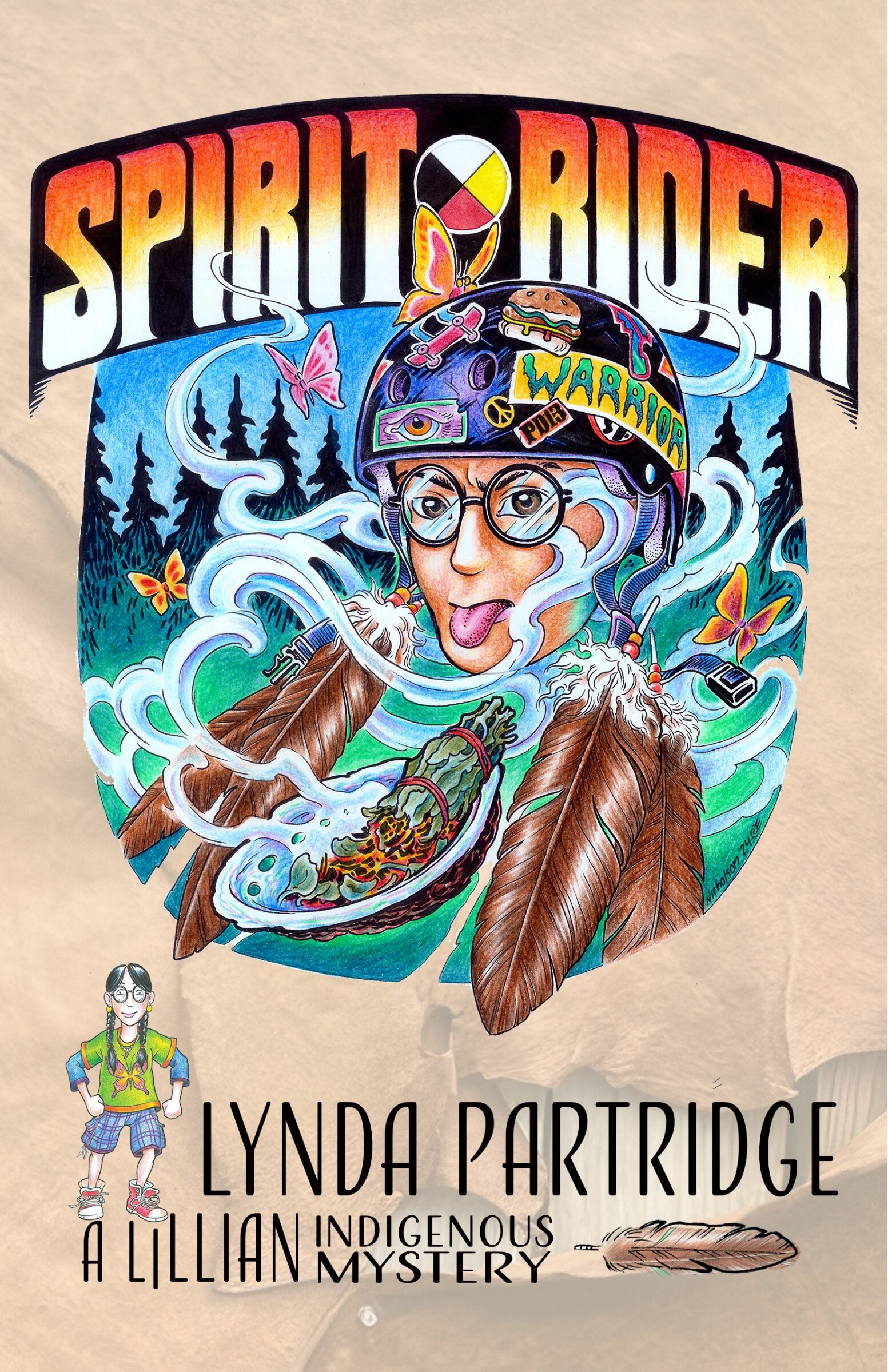
Lynda Patridge
Set against the backdrop of Indigenous teachings, Spirit Rider weaves themes of friendship, identity, and the spirit world. When a mysterious boy on a bicycle appears outside Lillian’s window, his mischievous antics hide a deeper, more haunting purpose. With her gift of communicating with spirits, and the support of her friends Chloe and Grace, as well as her wise Kokom and Auntie, Lillian embarks on a journey to uncover the truth. Can they unravel the mystery of the Spirit Rider? Or will this spirit’s secrets lead them somewhere they never expected?
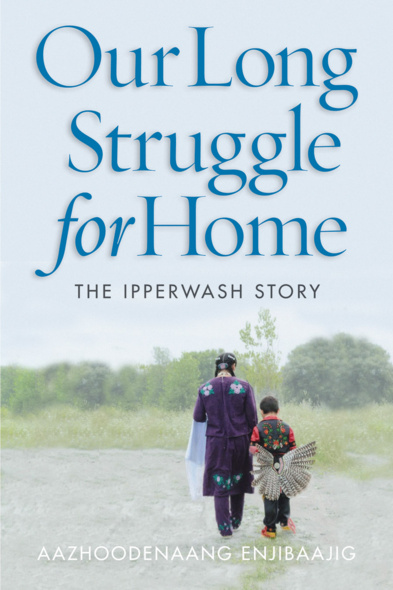
Aazhoodenaang Enjibaajig
Most Canadians know only a tiny part of the Ipperwash story – the 1995 police shooting of Dudley George.
In Our Long Struggle for Home, George’s sister, cousins, and others from the Stoney Point Reserve tell of broken promises and thwarted hopes in the decades-long battle to reclaim their ancestral homeland, both before and after the police action culminating in George’s death. Offering insights into Nishnaabeg lifeways and historical treaties, this compelling account conveys how government decisions have affected lives, livelihoods, and identity.
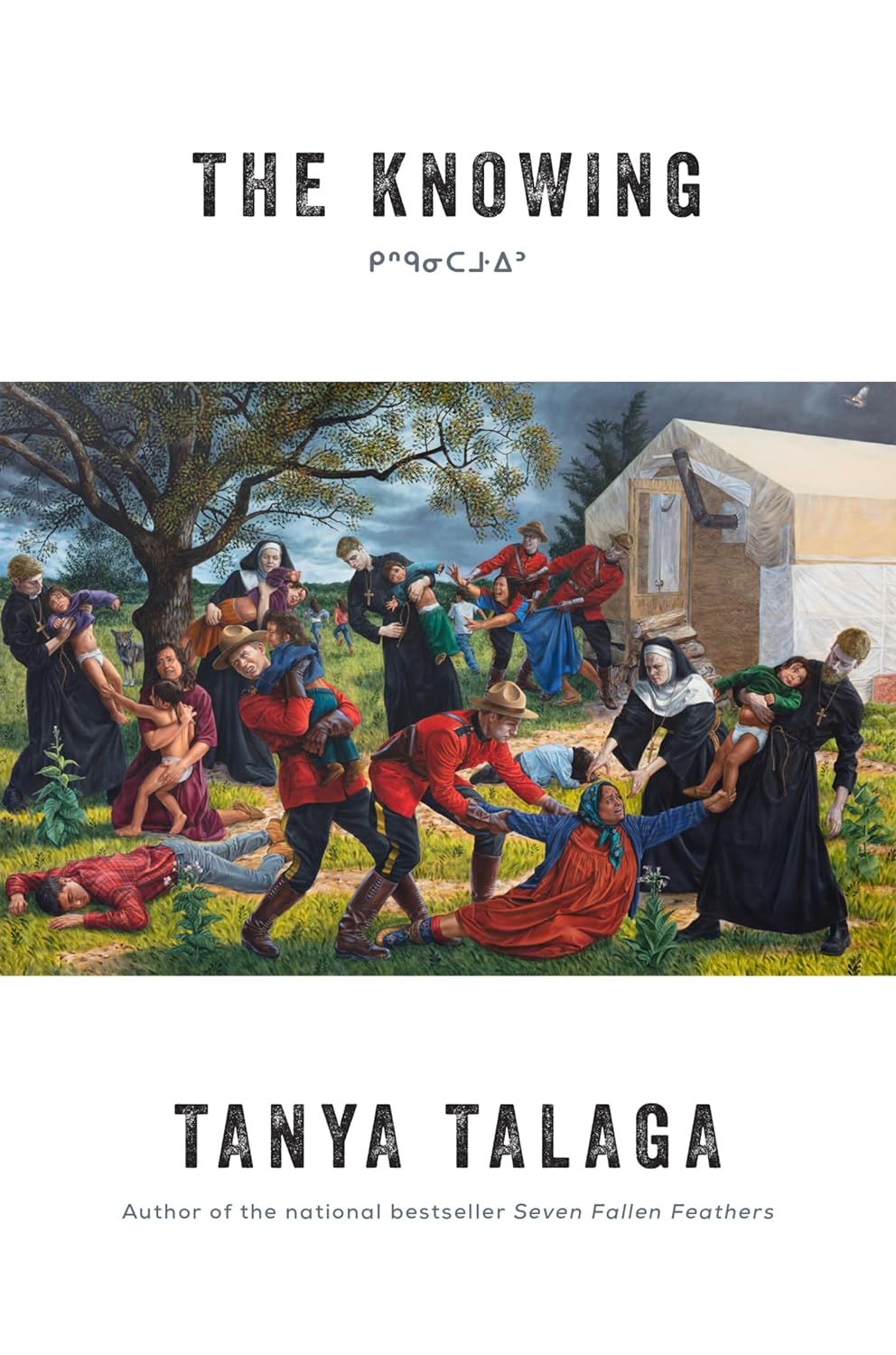
Tanya Talaga
The Knowing is the unfolding of Canadian history, unlike anything we have ever read before.
Award-winning and bestselling Anishinaabe author Tanya Talaga retells the history of this country as only she can – through an Indigenous lens, beginning with the life of her great-great-grandmother Annie Carpenter and her family as they experienced decades of government- and Church-sanctioned enfranchisement and genocide. Deeply personal and meticulously researched, The Knowing is a seminal unravelling of the centuries-long oppression of Indigenous People that continues to reverberate in these communities today.
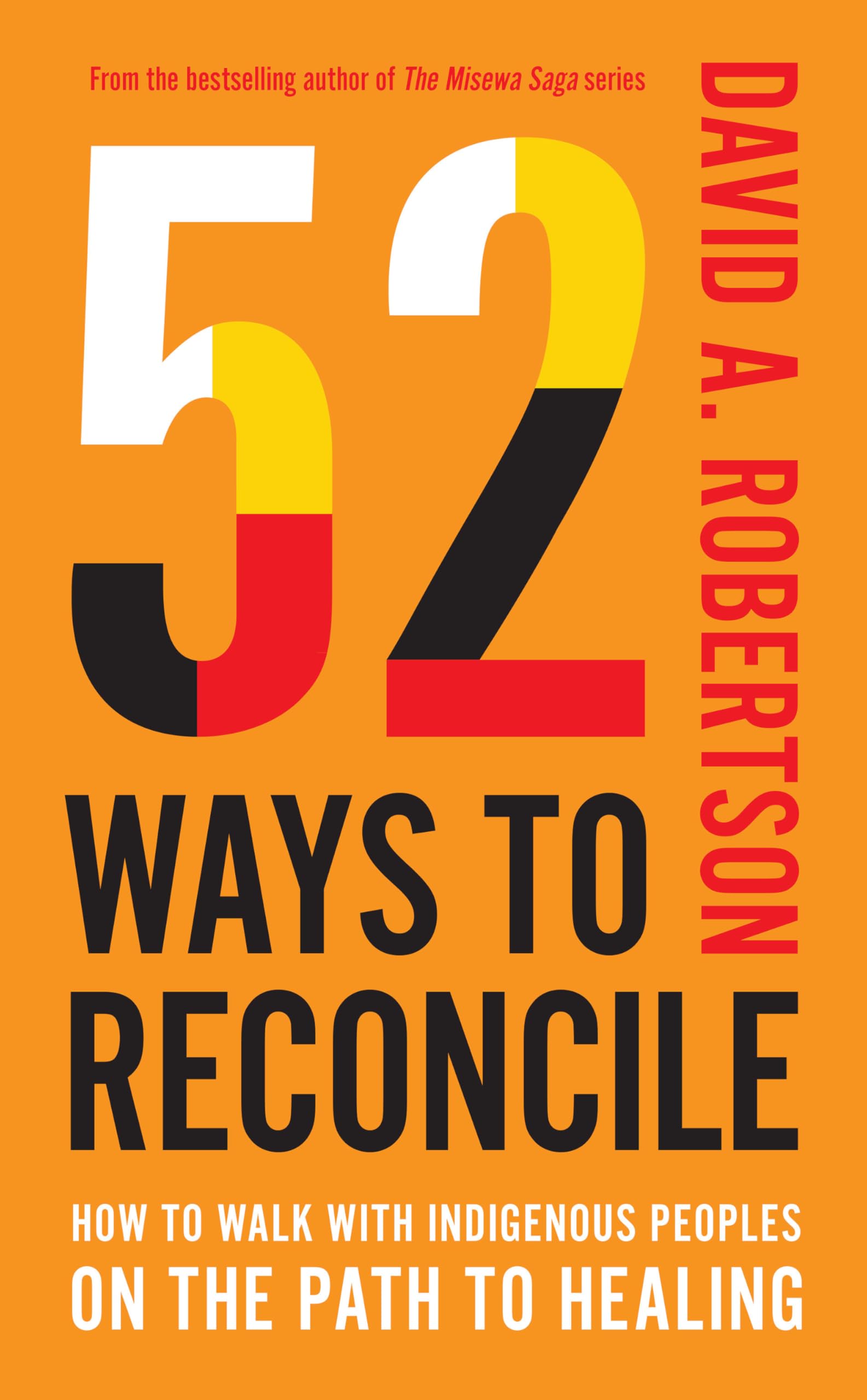
David Robertson
As much as we want to walk the path of reconciliation, we often aren’t quite sure what to do, and we’re afraid of making mistakes.
52 Ways to Reconcile offers concrete and practical answers in the form of a friendly and accessible guide. The idea of this book is simple: fifty-two bite-sized chapters, each focused on one attainable act of reconciliation. One act per week, for an entire year. These include everything from writing a personal land acknowledgement and buying from Indigenous businesses, to learning about the Sixties Scoop and supporting survivors of the residential school system.
With warmth and humour, award-winning public speaker and author David A. Robertson shares stories and tips from his own learning experience. Under his gentle guidance, these fifty-two steps will help readers of all ages to walk in the right direction, towards a healthier relationship between Indigenous and non-Indigenous peoples
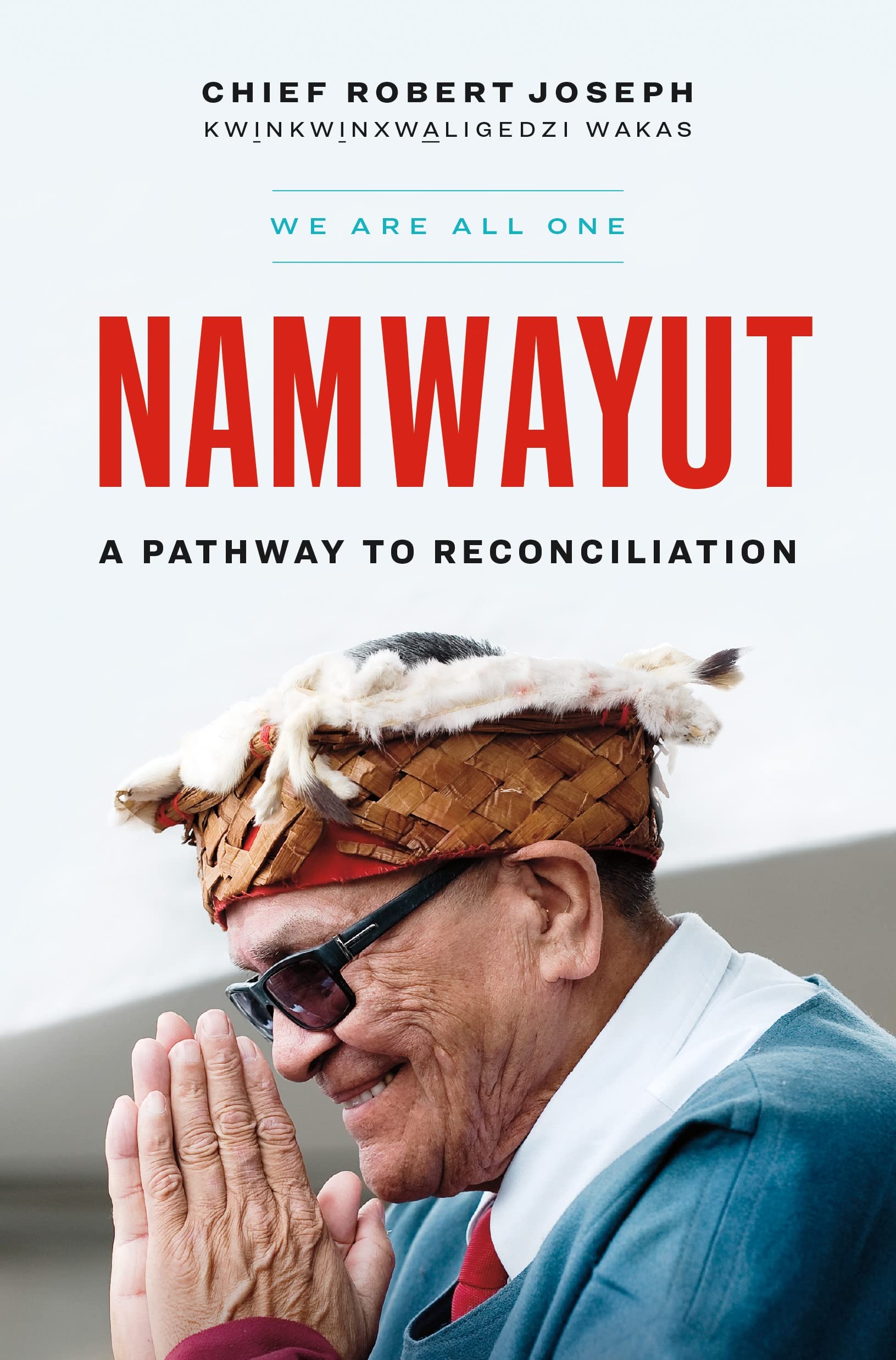
Robert Joseph
We all share a common humanity. No matter how long or difficult the path ahead, we are all one. Reconciliation belongs to everyone.
In this profound book, Chief Robert Joseph, globally recognized peacebuilder and Hereditary Chief of the Gwawaenuk People, traces his journey from his childhood surviving residential school to his present-day role as a leader who inspires individual hope, collective change, and global transformation. Before we get to know where we are going, we need to know where we came from. Reconciliation represents a long way forward, but it is a pathway toward our higher humanity, our highest selves, and an understanding that everybody matters.
In Namwayut, Chief Joseph teaches us to transform our relationships with ourselves and each other. As we learn about honour and respect the truth of the stories we tell, we can also discover how to dismantle the walls of discrimination, hatred, and racism in our society. Chief Joseph is known as one of the leading voices on peacebuilding in our time, and his dedication to reconciliation has been recognized with multiple honorary degrees and awards. As one of the remaining first-language speakers of Kwak’wala, his wisdom is grounded in Indigenous ways of knowing while making space for something bigger and better for all of us.
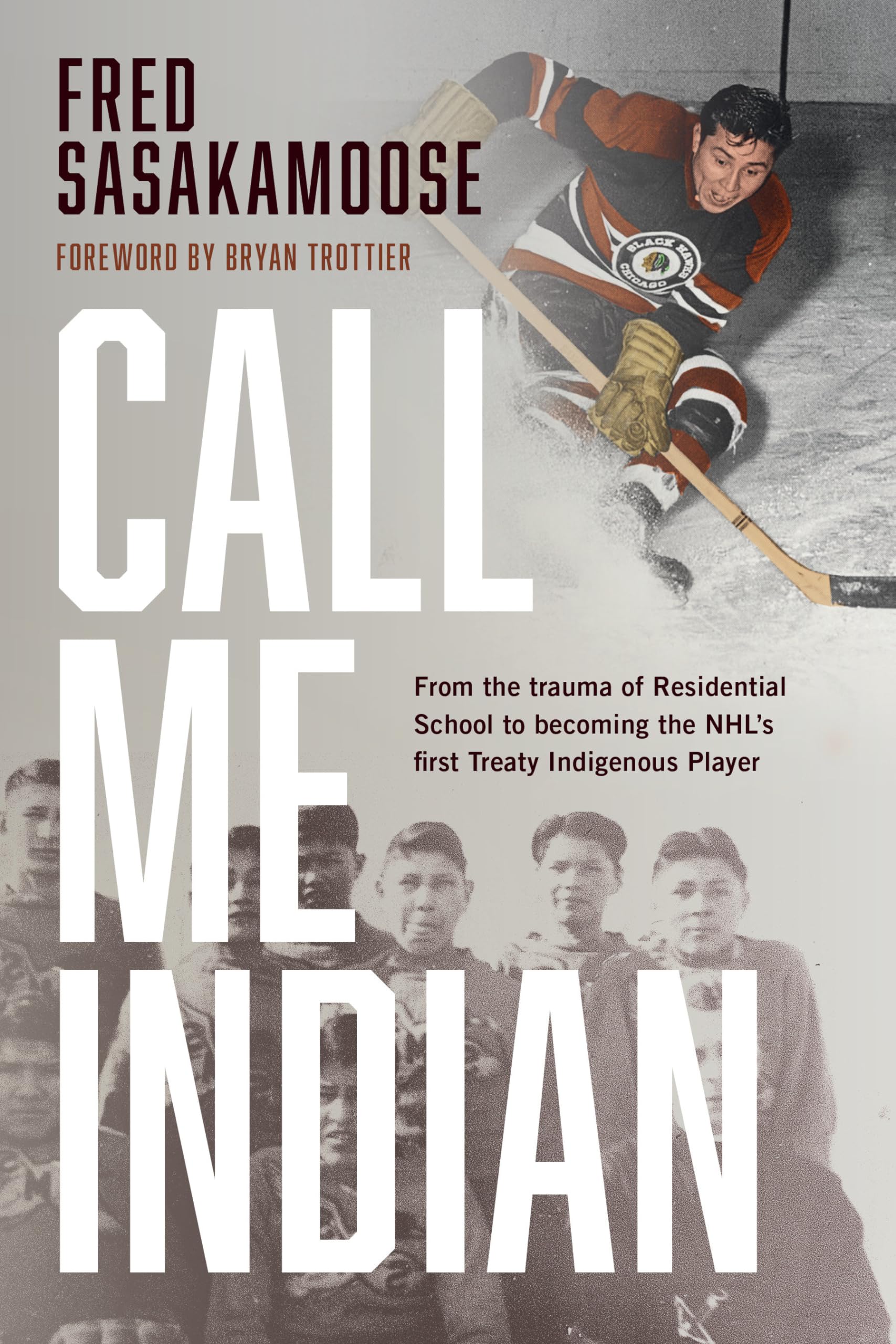
Fred Sasakamoose
Fred Sasakamoose, torn from his home at the age of seven, endured the horrors of residential school for a decade before becoming one of 120 players in the most elite hockey league in the world. He has been heralded as the first Indigenous player with Treaty status in the NHL, making his official debut as a 1954 Chicago Black Hawks player on Hockey Night in Canada and teaching Foster Hewitt how to pronounce his name. Sasakamoose played against such legends as Gordie Howe, Jean Beliveau, and Maurice Richard.
After twelve games, he returned home.
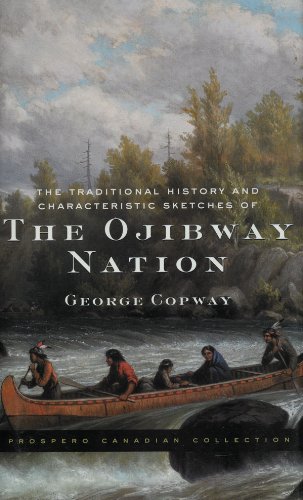
George Copway
A sketch of my nation’s history, describing its home, its country, its peculiarities, and its traditional legends. Written by George Copway (also known as Kah-Ge-Ga-Gah-Bowh, Chief of the Ojibway Nation) and first published in England in 1850. A thorough examination of Ojibway Indian history, culture, traditions, and beliefs, by a chief who had one foot in the life of his tribe and the other in the white world. Includes discussions of Indian writing and language, along with illustrations depicting various symbols used in picture writing.
Copway offers one of the earliest arguments for Indian reservations.
George Copway (1818-ca. 1863) was an Ojibwa Indian chief educated in Illinois, who produced important translations into the Chippewa language. He lived and worked mostly in Michigan, but was also connected with the New York press, and he toured and lectured widely in Europe.
Check out our book lists on Beanstack for these and other recommended reads. You can also log your reading, write reviews, and participate in reading challenges!